
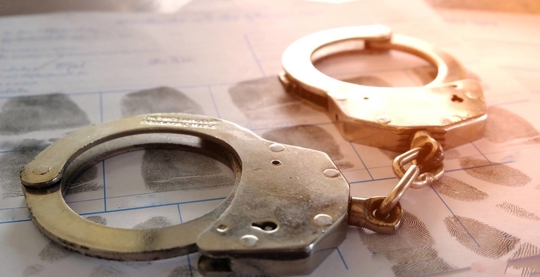
Your first court date on an Alabama drug charge can feel more terrifying than the arrest itself. You might be staring at a court notice from Jefferson County or another local courthouse, replaying what happened, and imagining the worst. Jail, a criminal record, losing your job, or disappointing your family can all feel like they are closing in at once.
In this moment, many people have the same questions. What is actually going to happen in court? Will the judge ask me to talk? Is this the day I go to jail, or is it just a quick hearing? Preparing for court on a drug charge in Alabama is not only about what you wear or whether you show up on time. It is about what you do in the days and weeks before you walk into that courtroom, and how you work with your attorney.
At Elizabeth Hunter Law, we stand next to people in Alabama state and federal courts every week on drug charges of all levels. We know how confusing those first notices and court dates can be because we have walked clients through them step by step. In this guide, we share how we help our clients prepare for court on drug charges in Alabama, so you can start taking concrete steps instead of just worrying.
Facing a drug charge in Alabama? Speak with Elizabeth Hunter Law about how to prepare for court—call (205) 203-9439 or schedule your consultation online.
What It Means To Face A Drug Charge In Alabama
Seeing the words “controlled substance” or possession on your paperwork can be overwhelming if you have never been in trouble before, and it can be just as stressful if you have prior convictions. Alabama drug charges cover a wide range of situations, from someone accused of having a small amount of pills or marijuana to allegations of selling or transporting larger quantities. The level of the charge and whether it is treated as a misdemeanor or a felony affect the possible penalties and how the case moves through the system.
In general terms, simple possession charges involve having a controlled substance for personal use. Possession with intent or distribution charges usually involve larger quantities, packaging, cash, or other facts that law enforcement believes show a plan to sell. Paraphernalia charges may relate to items used to ingest, package, or weigh drugs. Some drug cases stay in Alabama state courts, while others that involve certain quantities, locations, or investigations may end up in federal court. Most people reading this are likely dealing with a state charge, but it helps to know that both systems exist and that they operate differently.
The most common assumptions we see are at opposite extremes. Some people assume a drug charge automatically means prison, so they freeze and do nothing. Others treat it like a traffic ticket and expect it to “work itself out” without much effort. In reality, Alabama drug cases often have more room to work than people realize, but the choices you make before and between court dates matter. Early preparation can affect bond decisions, how prosecutors view you, and whether options like treatment-based resolutions are even on the table.
Because we focus on criminal defense, including serious felony work, we have seen how two people with similar charges can have very different paths based on preparation, communication, and behavior. Our goal in this section is not to scare you, but to help you understand that your case is serious and that you are not powerless. The rest of this guide will show you what you can do now to be ready when your name is called in an Alabama courtroom.
The First Stages Of An Alabama Drug Case And What To Expect In Court
Once you are charged with a drug crime in Alabama, your case typically follows a series of stages. The details can vary by county and by whether the case is in state or federal court, but the early steps tend to look similar. Understanding where you are in that path helps you know what to expect from each court date and how much, or how little, is likely to happen at each one.
Many cases begin with an arrest and a bond decision. You may have already gone through a bond hearing or had a bond set by a schedule before you were released. After that, Alabama courts usually schedule a first appearance or initial hearing. At this hearing, the judge confirms that you know what you are charged with and that you understand your right to counsel. These hearings can move very quickly, sometimes in just a few minutes, and much of the talking is done by attorneys and the judge while defendants wait for their case to be called.
Arraignment often comes next. At arraignment, the court typically asks for a plea of guilty or not guilty, usually entered by your attorney after you have discussed it. In many Alabama courts, arraignments are grouped on crowded dockets, so it can be surprising how fast everything moves. People often expect long speeches or detailed questioning, only to find that their arraignment is over in moments. After arraignment, courts may set the case for a preliminary hearing, status conference, or pretrial date, depending on the level of the charge.
Depending on the court and the charge, there may also be a preliminary hearing, especially in felony cases. This is usually the first chance to test whether there is enough evidence to move the case forward. It is not a full trial, but it can be an important stage for challenging how the evidence was obtained or identifying weaknesses in the prosecution’s case. After those early hearings, many Alabama drug cases move into a phase of discovery, plea negotiations, and pretrial conferences, where much of the strategy and negotiation happens outside the public courtroom view.
We walk clients through these stages in Jefferson County and other Alabama courts. Hence, they know when to expect quick, procedural hearings and when a particular date could involve more substantive decisions. Knowing ahead of time that your first appearance or arraignment may be short and that your lawyer will handle most of the speaking often helps reduce anxiety. More importantly, it lets us focus our energy on the preparation that really matters between those dates.
How To Work With Your Drug Crime Attorney Before Court
Once you have a court date, one of the most important steps is working closely and honestly with your attorney. We can only build a strong defense on the facts we actually know. That means sharing the good, the bad, and the uncomfortable details with us, not holding back because you feel embarrassed or afraid of judgment. We are not there to judge you; we are there to protect you and to help you navigate the court system.
Before court, we encourage clients to gather every piece of paperwork related to the case, including the arrest report or citation, bond documents, any property receipts, and prior court records if you have them. We also often ask for proof of employment, school enrollment, or community ties, such as pay stubs, class schedules, or letters from employers. If you have already started treatment or counseling, records of attendance and progress can be valuable as well. Having this documentation ready helps us represent you more effectively when questions about the bond, scheduling, or your background come up in court.
Communication is not only about paperwork. It is also about what you tell us regarding your history with substances, any medical or mental health conditions, and any prior contacts with the criminal system. These details can affect everything from bond conditions to how we frame your story for the prosecutor and judge. For example, if you are dealing with addiction, that may open doors to treatment-based options that might not be considered if we simply present you as another file on a crowded docket.
At the same time, there are lines you should not cross without your attorney’s guidance. We strongly advise clients not to talk about their case with law enforcement, co-defendants, alleged buyers or suppliers, or anyone else who might later be called as a witness, unless we have discussed it first. We also caution against posting about the arrest or the case on social media in any way. Once something is said or posted, it can be very difficult to undo the damage. Our role is to help you avoid avoidable mistakes and to use your information strategically, not emotionally.
Our approach at Elizabeth Hunter Law is built on careful listening and tailored strategy. When clients open up and work with us early, we can focus our energy where it counts, whether that is challenging how a search was done, negotiating for a particular outcome, or preparing you for a key hearing. Working as a team before court is one of the clearest ways you can influence how your case is handled.
What To Gather And Bring To Your Alabama Drug Court Date
On the practical side, preparing for court includes deciding what to bring with you on the day of your hearing. The basics matter. You should have a valid photo ID, any court notices you have received, and any paperwork from your bonding company. Keep everything together in a folder so you are not searching through loose papers when you are already nervous in the courthouse hallway.
Beyond the basics, certain documents can be helpful if questions come up or if your attorney needs to advocate for you on the spot. Proof of employment, such as recent pay stubs or a letter from your employer, can show the court that you are working and have responsibilities you are trying to maintain. Proof of school enrollment, if you are a student, sends a similar message. If you have started drug treatment, counseling, or support group attendance, bring any verification you have of that participation. Judges and prosecutors often look more closely at defendants who are taking concrete steps to address underlying issues.
It can also help to prepare a written list of questions or concerns for your attorney before you head to court. Once you are in the building, the environment can feel hectic, and it is easy to forget what you wanted to ask. Having those questions in front of you makes it easier for us to address them during breaks or before the hearing starts. If you are unsure about what to bring, you can contact our office in advance, and we will tell you what we typically ask clients in your situation to bring.
Just as important as what to bring is what not to bring. Do not bring any drugs, weapons, or contraband into the courthouse. Something as simple as forgetting a pocketknife on your keychain can cause unnecessary problems at security. Plan for childcare if needed, and arrange transportation that will get you there on time, with an extra cushion for parking and security lines. Treat the day as a priority, not something to squeeze in between other tasks.
We frequently ask clients to bring specific documents to hearings in Birmingham and other Alabama courts so we can respond quickly if issues come up. For example, having proof of recent treatment or employment in hand can make a difference if the judge is deciding whether to modify bond conditions or set another court date that works with your schedule. Coming to court prepared signals that you are taking the process seriously, and it gives us more tools to work with on your behalf.
How Your Behavior Before Court Can Help Or Hurt Your Drug Case
What you do between your arrest and your court dates can have a direct impact on your drug case. One of the first things to pay attention to is your bond and any conditions the court set when you were released. In Alabama drug cases, common bond conditions include regular drug testing, not using controlled substances without a prescription, not possessing firearms, and sometimes attending treatment or counseling. There may also be no contact orders or restrictions on where you can travel.
Following these conditions exactly is not optional. Violating a bond, even on something that seems small, can lead to a warrant for your arrest and a bond revocation hearing. Judges tend to look at bond compliance as a sign of how seriously you take the court’s authority. Missing a drug test, testing positive for illegal substances, or ignoring no-contact orders can quickly erase any progress we have made and make things harder at every future hearing. If a condition is not clear, talk to your attorney before you risk a violation.
Social media is another area where we see people unintentionally hurt their own cases. Posts, photos, and messages that mention the arrest, show drugs or alcohol, or contradict what you have told the court can all be collected and used as evidence. Even if you think your account is private, screenshots and forwarded messages can still surface. During a pending case, it is often safest to avoid posting about your nightlife, travel, or anything that could be misunderstood. When we represent clients, we talk with them about how prosecutors may view their online presence and what steps they can take to limit risk.
On the positive side, there are proactive steps that can help. Voluntarily entering treatment, attending support groups, or beginning counseling can show that you recognize a problem and are working to address it. Judges and prosecutors in Alabama often take note when defendants come to court with documented progress rather than just promises. These steps do not automatically guarantee a particular outcome, but they can give us more to work with when we argue for alternatives to incarceration or when we negotiate plea options.
Because we combine compassionate listening with firm advocacy, we talk honestly with clients about how their choices outside the courtroom affect what we can argue inside the courtroom. Our role is to guide you toward behaviors that protect your freedom and your future, not to criticize you. If you are unsure whether something you are considering could affect your case, reach out and ask before you act. It is almost always easier to prevent a problem than to fix it later.
Presenting Yourself In An Alabama Drug Courtroom
Walking into a courtroom for the first time on a drug charge can be intimidating. Knowing what to do, where to go, and how to present yourself reduces some of that fear. Plan to arrive early, typically at least 30 to 45 minutes before your scheduled time. This gives you room to park, clear security, find the correct courtroom, and meet with your attorney before the judge takes the bench. Rushing in late, flustered, and unprepared only adds stress and can reflect poorly on you.
When you enter the courtroom, remove hats, silence your phone, and find a seat in the gallery unless your attorney has asked you to wait in a specific area. Courts in Alabama generally expect everyone to stand when the judge enters and leaves the room. When your case is called, you will usually come forward with your attorney. In most routine hearings, your lawyer will do nearly all of the talking. The judge may address you directly to confirm basic information or to ask whether you understand what is happening.
Your appearance does not need to be fancy, but it should show respect. Clean, neat clothing that avoids offensive logos helps keep the focus on the legal issues instead of your outfit. Think in terms of what you would wear to a job interview or a serious meeting. Judges and prosecutors notice when defendants appear to have made an effort. At the same time, do not let worries about clothing stop you from focusing on the more important preparation steps we have discussed. Substance matters more than style, but both play a part in how you are perceived.
If the judge asks you a question, listen carefully and answer honestly and briefly. Do not interrupt, and do not start explaining your entire side of the story unless your attorney has prepared you to do so. Many people feel pressure to speak up in court to defend themselves, but unplanned statements can sometimes hurt more than help. We prepare our clients in advance to know when to speak, when to stay quiet, and how to respond respectfully, even when they feel stressed or emotional.
A big part of our communication-focused approach at Elizabeth Hunter Law is making sure clients are not guessing about courtroom expectations. Before key hearings, we walk through the logistics of the day, from where to meet us in the courthouse to what kind of questions the judge is likely to ask. When you know what will happen and what your role is, you can focus on staying calm and present instead of trying to read the room on the fly.
Common Mistakes Alabama Defendants Make Before Drug Court
After years in Alabama criminal courts, we see certain mistakes over and over again in drug cases. Knowing these patterns ahead of time helps you avoid them. One of the most serious missteps is missing a court date or assuming that a notice can be ignored. Even if you believe you have a good reason, such as transportation issues or work conflicts, simply not showing up can lead to a warrant for your arrest and additional bond problems. If you discover a conflict, contact your attorney well before the court date so we can address it properly with the court.
Another common mistake is talking too freely about the case with the wrong people. Conversations with co-defendants, alleged buyers or suppliers, and even friends who were present during the incident can all create new witnesses or evidence. Text messages, group chats, and social media discussions can be subpoenaed or screenshotted. Statements that seem harmless in the moment can be taken out of context later. We routinely see situations where offhand comments in messages or posts come back to complicate a defense that otherwise had strong arguments.
Many people also wait too long to get an attorney involved or to start preparing. They assume that the first court date will be far off, or that they can wait to see what happens at arraignment before taking things seriously. By the time they reach out, there may be limited time to review discovery, investigate how the search was conducted, or gather helpful documentation. Early representation gives us the chance to spot issues, request evidence, and start negotiating options before positions harden.
Some defendants undermine their own cases by continuing the same behavior that led to the charge. For example, continuing to use illegal substances while out on bond or ignoring treatment recommendations can make it difficult to argue for leniency or alternatives. Courts look not only at the past incident but also at what you do afterward. A pattern of ignoring orders or continuing risky behavior can limit what we are able to achieve, even with strong advocacy.
We share these mistakes not to lecture you, but to give you a clear picture of the pitfalls we see in Birmingham and other Alabama courts. Part of our role as your defense team is to help you avoid these traps and to respond quickly if problems arise. When we work with clients from the beginning, we can talk through decisions before they turn into bigger issues, rather than trying to fix them after the fact.
How Elizabeth Hunter Law Helps You Prepare For Alabama Drug Court
No one should have to walk into an Alabama courtroom on a drug charge feeling alone and unprepared. At Elizabeth Hunter Law, our process starts with listening. During a free initial consultation, we review your charges and paperwork, talk with you about what happened, and identify where you are in the court process. We map out upcoming court dates and explain, in plain language, what each one is likely to involve so you know what is coming instead of guessing.
From there, we work with you to gather the documents and information that can help us advocate for you, from employment or school records to treatment or counseling updates. We explain your bond conditions and help you understand exactly what you need to do to stay in compliance. If you are struggling with addiction or other challenges, we talk with you about realistic options for treatment or support and how those efforts may play into your case. Our goal is to build a strategy that fits your specific situation, not a one-size-fits-all plan.
In court, we pair that preparation with assertive representation. We negotiate with prosecutors, address legal issues through motions when appropriate, and advocate for you at hearings. At the same time, we stay accessible and communicative, so you always know what is happening and why. Clients choose our firm because we combine empathy with aggressive advocacy, meaning we see you as a person and fight hard for you at every stage.
If you are facing a drug charge in Alabama and have a court date coming up, you do not have to face it on your own or rely on generic online advice. We can review your situation, explain your options, and start preparing you for court in a way that fits your life and your case.
Get guidance before you walk into court on an Alabama drug charge—call Elizabeth Hunter Law at (205) 203-9439 or schedule a consultation online today.